Can glaciers feed the ocean?

Originally posted on the BAS website

29 July, 2024 Arctic

You might imagine glaciers as vast, cold, and lifeless rivers of ice, but they’re far more dynamic and alive than we once thought. Kate Hendry, polar oceanographer at British Antarctic Survey is currently working in the Arctic. Below, she shares some insights from her recent research on these frozen rivers, and their impact on our oceans.

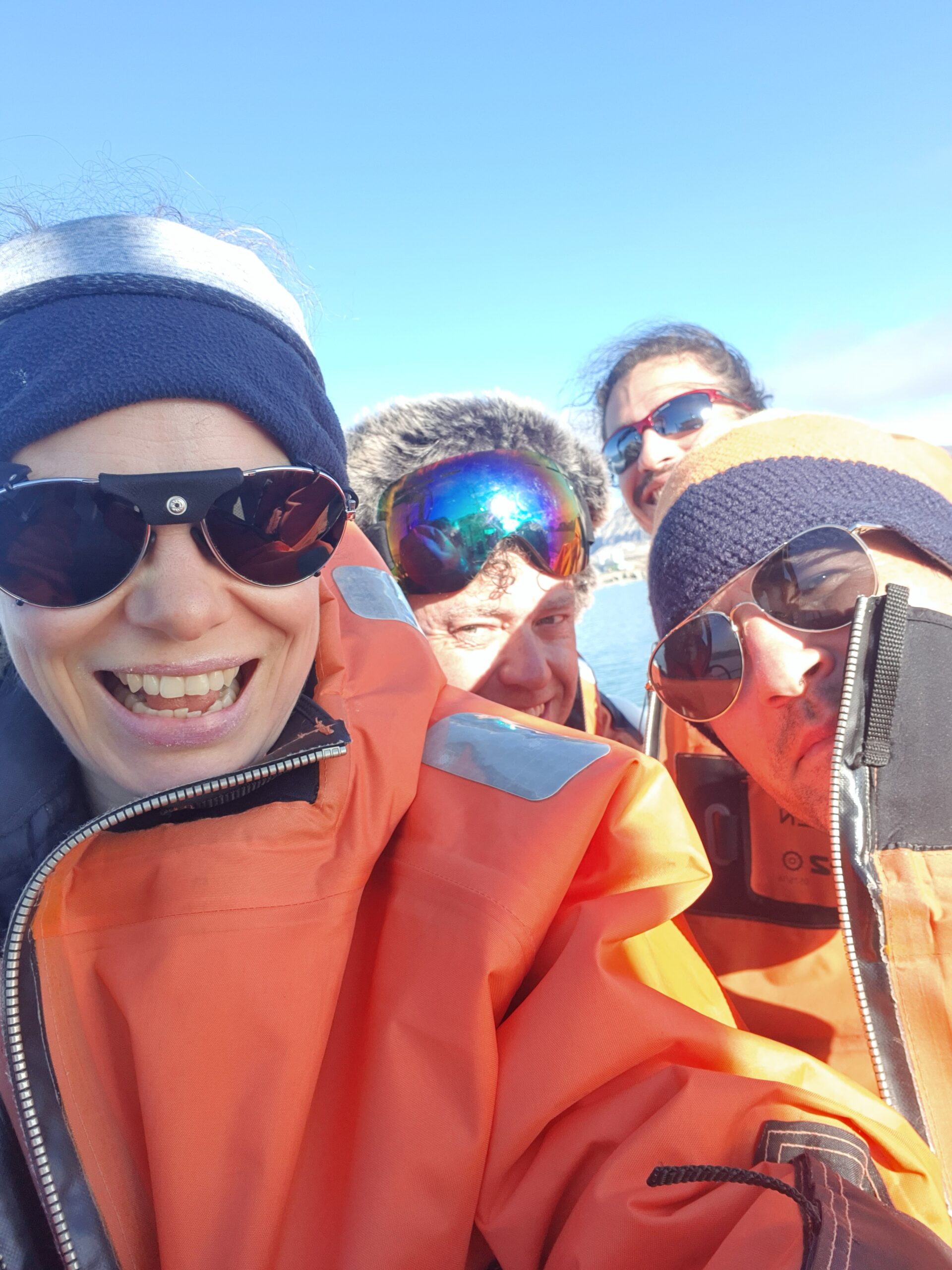
A group of people wearing sunglasses
The team are in the Arctic studying glaciers and their impact on our oceans. Kate Hendry.

Glaciers – vast rivers of ice that flow from ice caps and ice sheets – were once thought to be inert environments, too cold for biology or for chemical reactions to occur. In the past two decades, scientists have discovered that glaciers are teeming with diverse microorganisms and are hotspots for biogeochemical weathering—chemical processes that release essential elements into the environment. As glaciers flow, they grind the underlying rock into a fine “flour,” and the unique chemistry of the waters beneath these ice sheets leads to the formation of new, highly reactive materials. This glacial flour can release nutrients into the environment, acting as a significant source of precious elements for coastal marine ecosystems. While glacial flour has the potential to fertilize crops, it can also harbour toxic metals. We are just beginning to unravel the intricate web of interactions among these elements as they travel downstream.

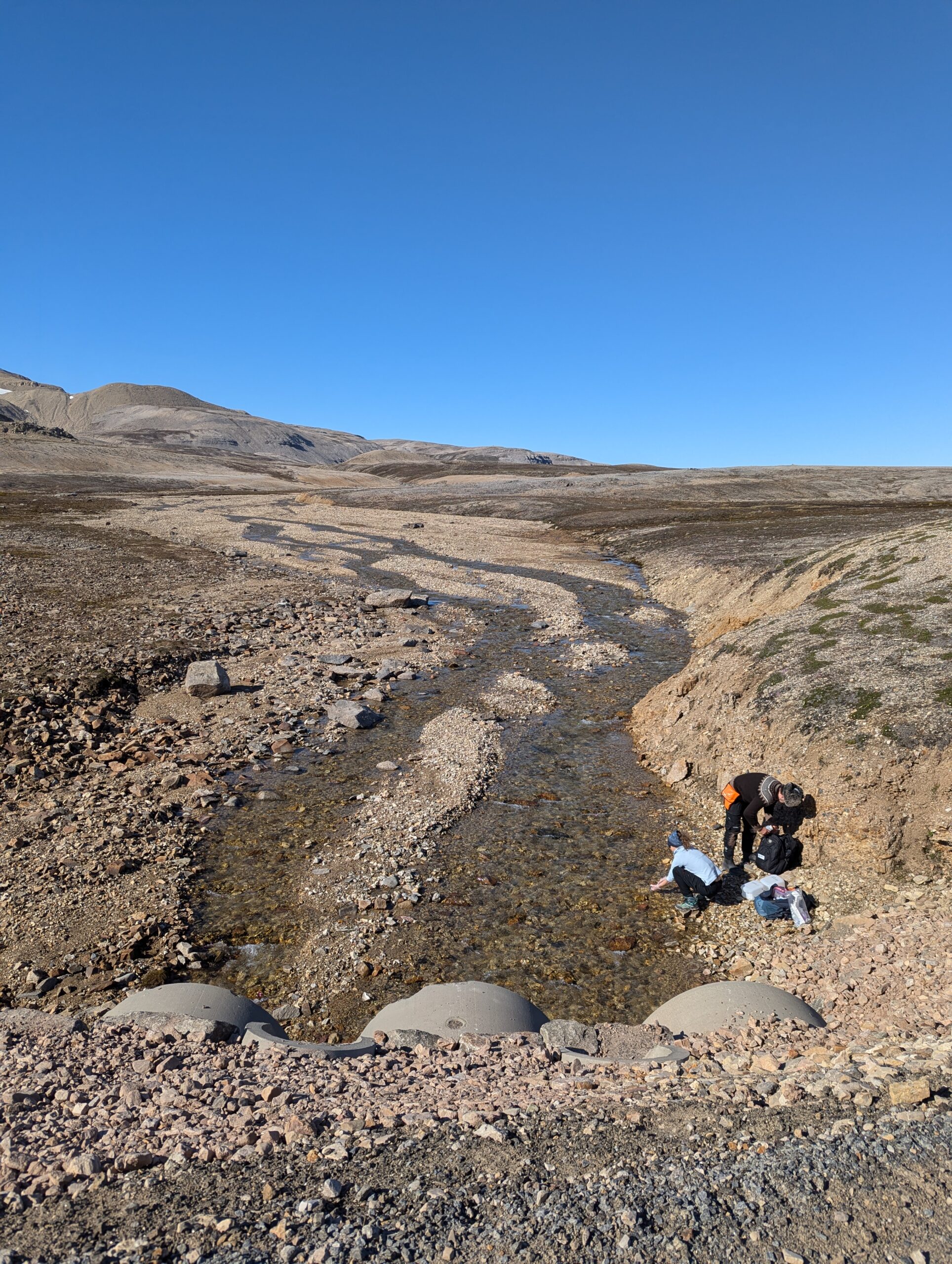
People crouched down looking at rock
As glaciers flown they grind the underlying rock into a fine “flour” which releases nutrients into the environment. Kate Hendry.

Unveiling the role of silicon

One key nutrient we’re focusing on in our new project, Silicon Cycling in Glaciated Environments (SiCLING), is silicon. Every living organism needs silicon in small amounts, but some, like plants and diatoms (a type of algae), need larger quantities to build their silica-based structures. Glacial flour is rich in reactive detritus that dissolves, releasing biologically available silicon. This means it could be a vital nutrient source for crops and coastal marine systems deficient in silicon.

Through SiCLING, we’re investigating how silicon in glacial flour and fjord sediments is released, interacts with other elements like iron, and changes with global warming and accelerated ice melting.

Our journey begins in Ny-Ålesund, northern Svalbard, in the land of the polar bear. Here, we’re sampling water, flour, and sediments from Kongsfjorden near the UK Arctic Research Station. Using small boats, we collect samples and process them in the station’s labs. Many analyses will be done back in the UK, where we’ll use cutting-edge imaging and geochemical fingerprinting to understand silicon’s interactions with other elements. With all the data we gather, we’ll use new modeling methods to calculate how much silicon glaciers in Svalbard release.

Later this year, we will continue our fieldwork adventure by comparing our Arctic findings to coastal environments off the West Antarctic Peninsula.

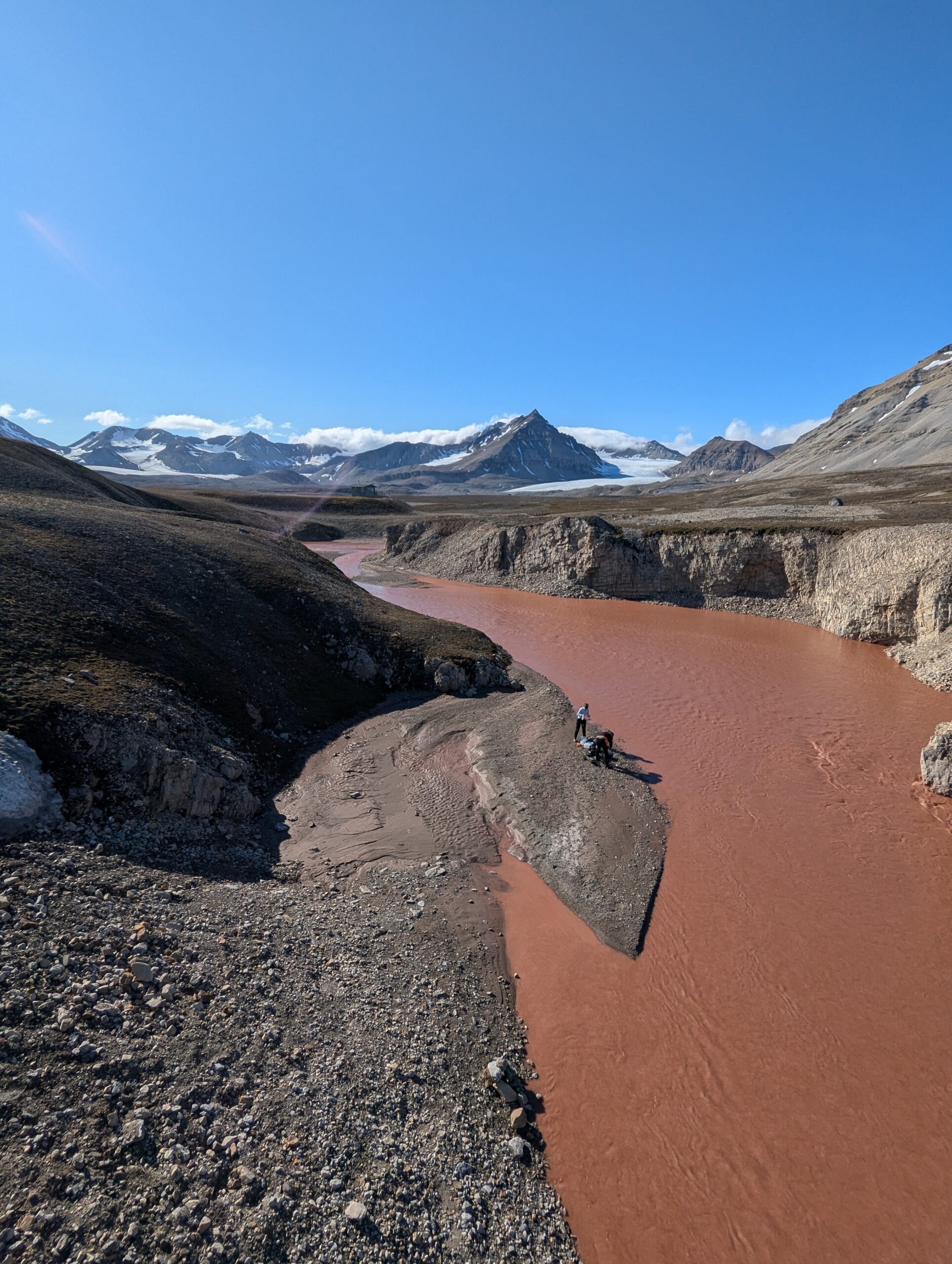
A brown river flowing between rocks
Through the SiCLING project, researchers are looking at how silicon in glacial flour is released. Kate Hendry.

Meet the team

I am proud to lead the SiCLING project as the Deputy Science Leader of the Polar Oceans Team at the British Antarctic Survey. Joining me in Ny-Ålesund are Nathan Callaghan from the UK Centre for Ecology and Hydrology and Katie Howe from Dauphin Island Sea Lab, USA. Nathan is working on river chemistry and fluxes, and Katie is joining us as an expert in isotope uptake experiments. Our team also includes Rhiannon Jones and Siobhán Foden from BAS, and Helen Williams, and Helena Pryer from the University of Cambridge.

We’re thrilled to share our progress with you as we delve deeper into the fascinating world of glacial biogeochemistry. If you’re curious to learn more about our findings on silicon and glaciers, check out our latest paper: Detrital input sustains diatom production off a glaciated Arctic coast.

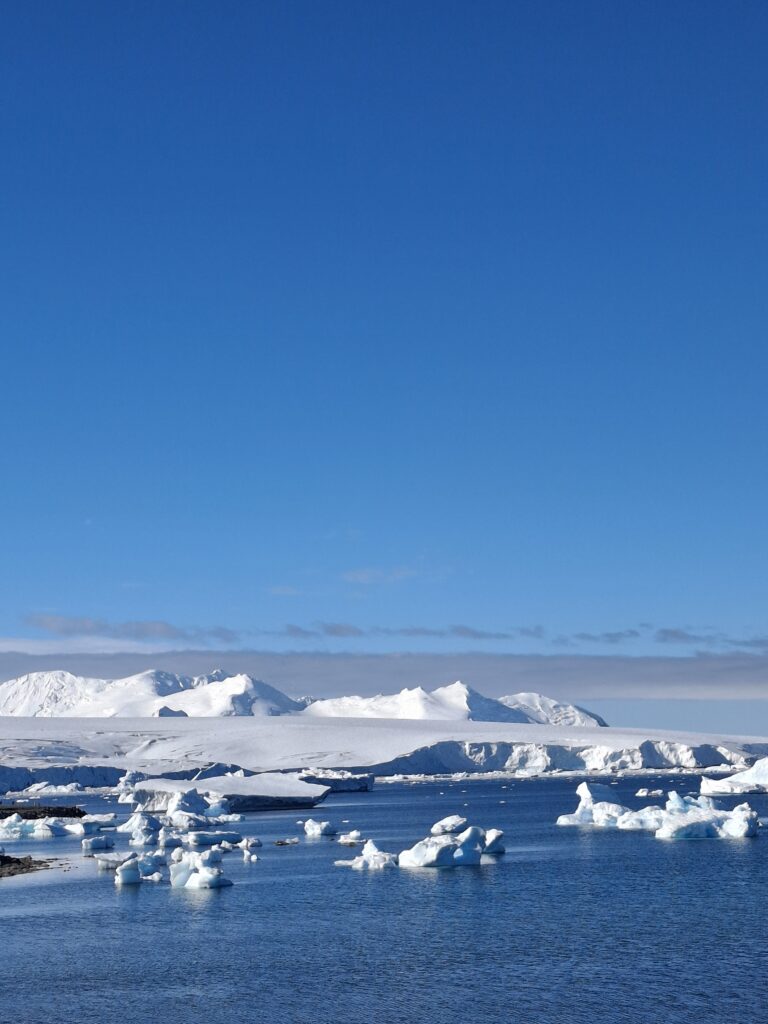
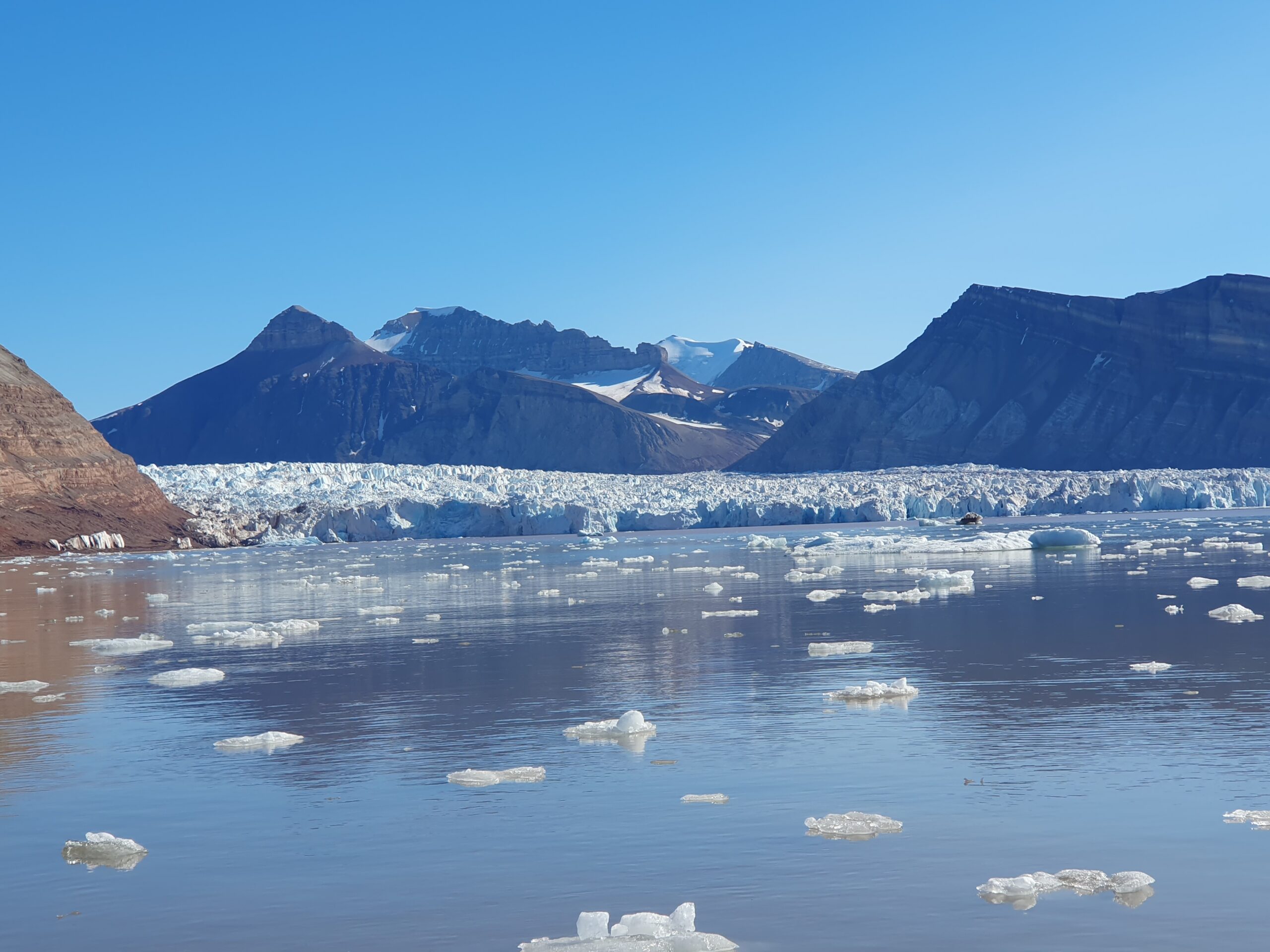
A body of water with a mountain in the background
Glaciers are teeming with diverse microorganisms and are hotspots for biogeochemical weathering. Kate Hendry.

Underwater tsunamis focus of new study

Originally posted on the BAS website

An international research team, led by British Antarctic Survey (BAS), has been awarded £3.7M to advance a ground-breaking study on how underwater tsunamis are triggered by glacier calving around Antarctica.

The scientists will analyse how these underwater tsunamis contribute to the mixing of ocean waters, a process that plays a critical role in shaping global climate systems, the Antarctic Ice Sheet, and marine ecosystems. This week, scientists from the project, called POLOMINTS, are meeting at the BAS headquarters in Cambridge to finalise plans for the project, which promises to shed light on this newly discovered phenomenon.

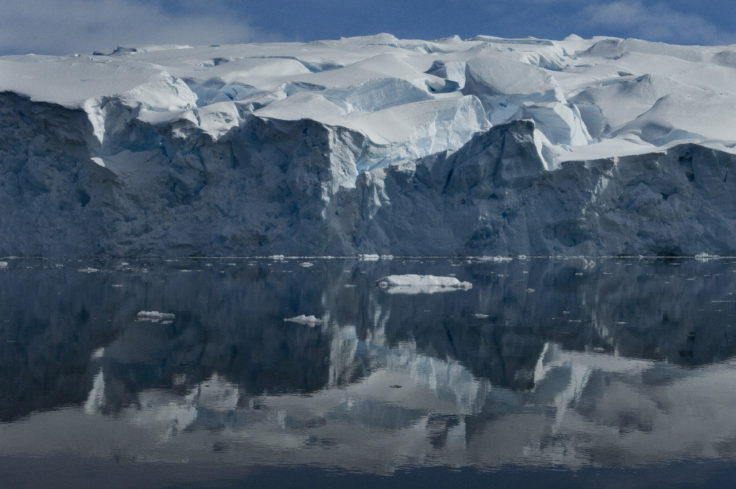
A view of a snow covered mountain.
Sheldon Glacier near Rothera Research Station on Adelaide Island, Antarctica, will be one area of study for the POLOMINTS team

The research will build on recent findings that challenge traditional beliefs about the forces driving mixing in Antarctic waters. Historically, winds, tides, and heat loss were thought to be the primary drivers of oceanic mixing around the continent. However, the team recently identified that calving glaciers can initiate underwater tsunamis—multi-metre waves that travel rapidly from the ice, and generating powerful bursts of ocean mixing. Initial calculations suggest these tsunamis could rival the impact of wind-driven mixing and play a larger role than tides in redistributing ocean heat.

POLOMINTS is led by oceanographer Professor Mike Meredith from BAS. He says:

“We’re excited to explore this uncharted scientific territory. By learning more about underwater tsunamis and their influence on ocean mixing, we can refine ocean models, which in turn will help project future climate scenarios more accurately. This knowledge is crucial for the global community as we all grapple with the complex impacts of climate change.”

To investigate the extent and effects of these underwater tsunamis, the team will use advanced technology, including robotic underwater vehicles and remotely piloted aircraft, to gather data near calving glaciers, where humans cannot go. They will also employ deep-learning algorithms to analyse satellite data, and computer simulations to model the generation and spread of these tsunamis. These cutting-edge methods will allow the researchers to assess the impacts of intense mixing on factors such as ocean temperature, nutrients, and marine productivity – all of which are critical to our climate and ecosystems.

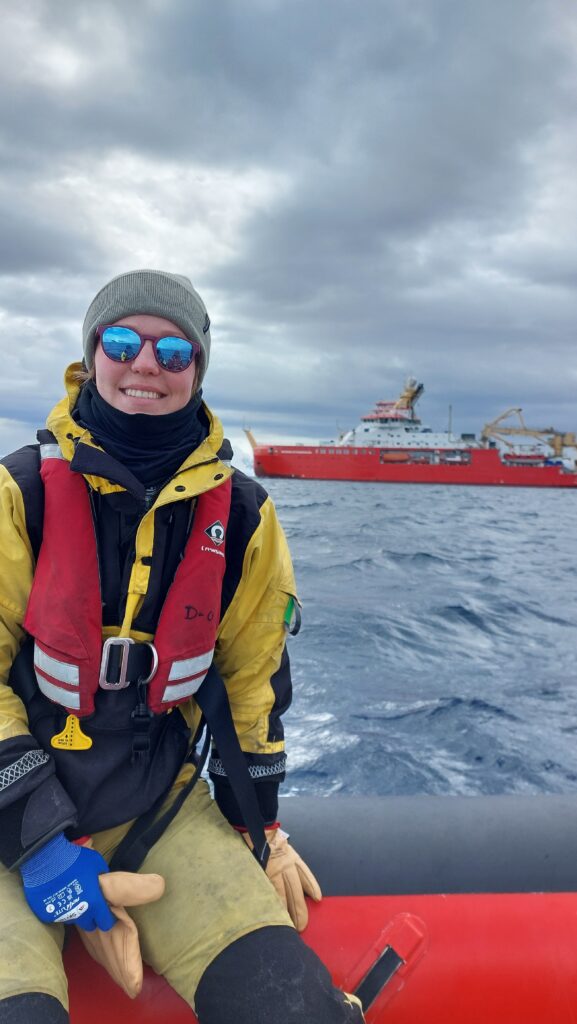
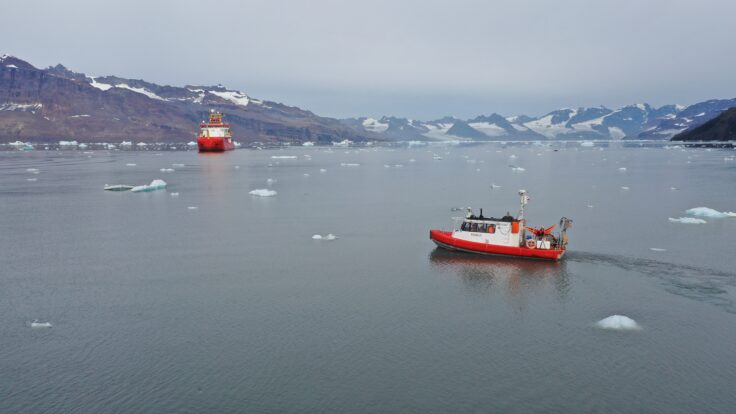
Some observations will be taken from the RRS Sir David Attenborough’s science work boat Erebus

The Scottish Association for Marine Science (SAMS) is a key partner in the project. Professor Mark Inall from SAMS says:

“Whilst we have many images of icebergs calving from glaciers, and have studied internal waves within the ocean interior, we know next to nothing about how calving generates these large waves hidden from sight below ocean’s surface. POLOMINTS will break new ground in our knowledge of how crumbling ice sheets stir the coastal oceans of polar regions.”

Professor Kate Hendry from BAS co-leads the project and concludes:

“Our research as part of this project will be a key step toward filling critical gaps in our understanding of Antarctica’s influence on the global climate.”

POLOMINTS is a collaboration led by British Antarctic Survey, and includes the Scottish Association for Marine Science, the University of Southampton, the University of Leeds, the National Oceanography Centre, the University of Exeter, and Bangor University. International partners are from the Scripps Institution of Oceanography, the Institute of Geophysics of the Polish Academy of Sciences, the University of Delaware, and Rutgers University.

POLOMINTS is funded by the Natural Environment Research Council (nerc.ac.uk)