Originally posted on the BAS website
15 January, 2026 Press releases
An international team of researchers, led by British Antarctic Survey (BAS), is setting out to discover how glacier calving around Antarctica can trigger powerful underwater tsunamis.
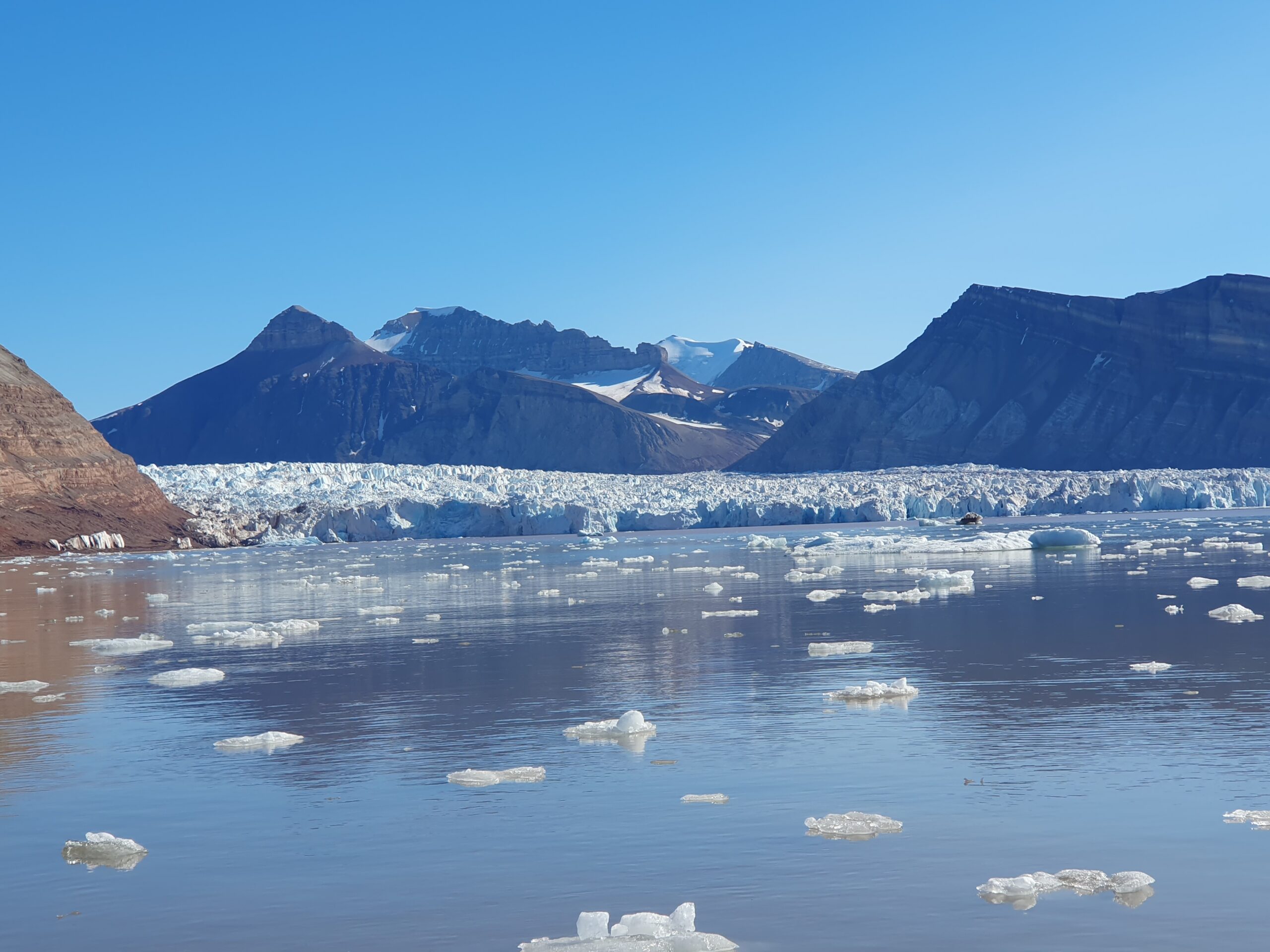
When icebergs break off glacier fronts and fall into the ocean (a process called calving) they can create powerful underwater tsunamis. These hidden waves, often several metres in height, cause powerful bursts of ocean mixing, where different layers of water get churned together. This process strongly mixes heat, oxygen and nutrients between different depths, and is critical for marine life and climate regulation in the region.
This mixing was previously thought to be primarily driven by wind, tides and heat loss at the ocean surface. However, initial calculations suggest underwater tsunamis play a significant role in polar oceans, rivalling the effect of wind-driven mixing in certain locations, and having a bigger impact than tides in redistributing heat in the ocean.
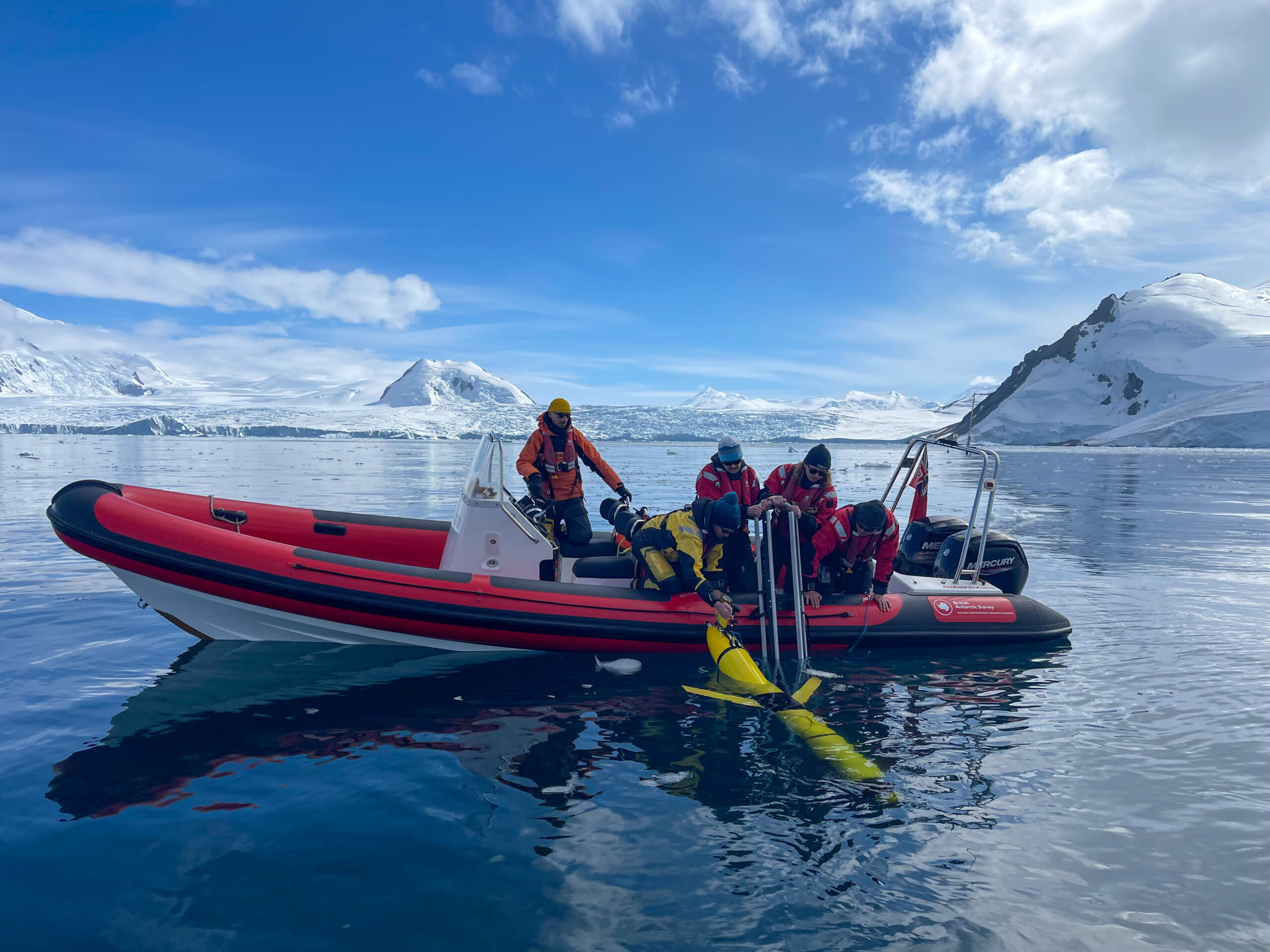
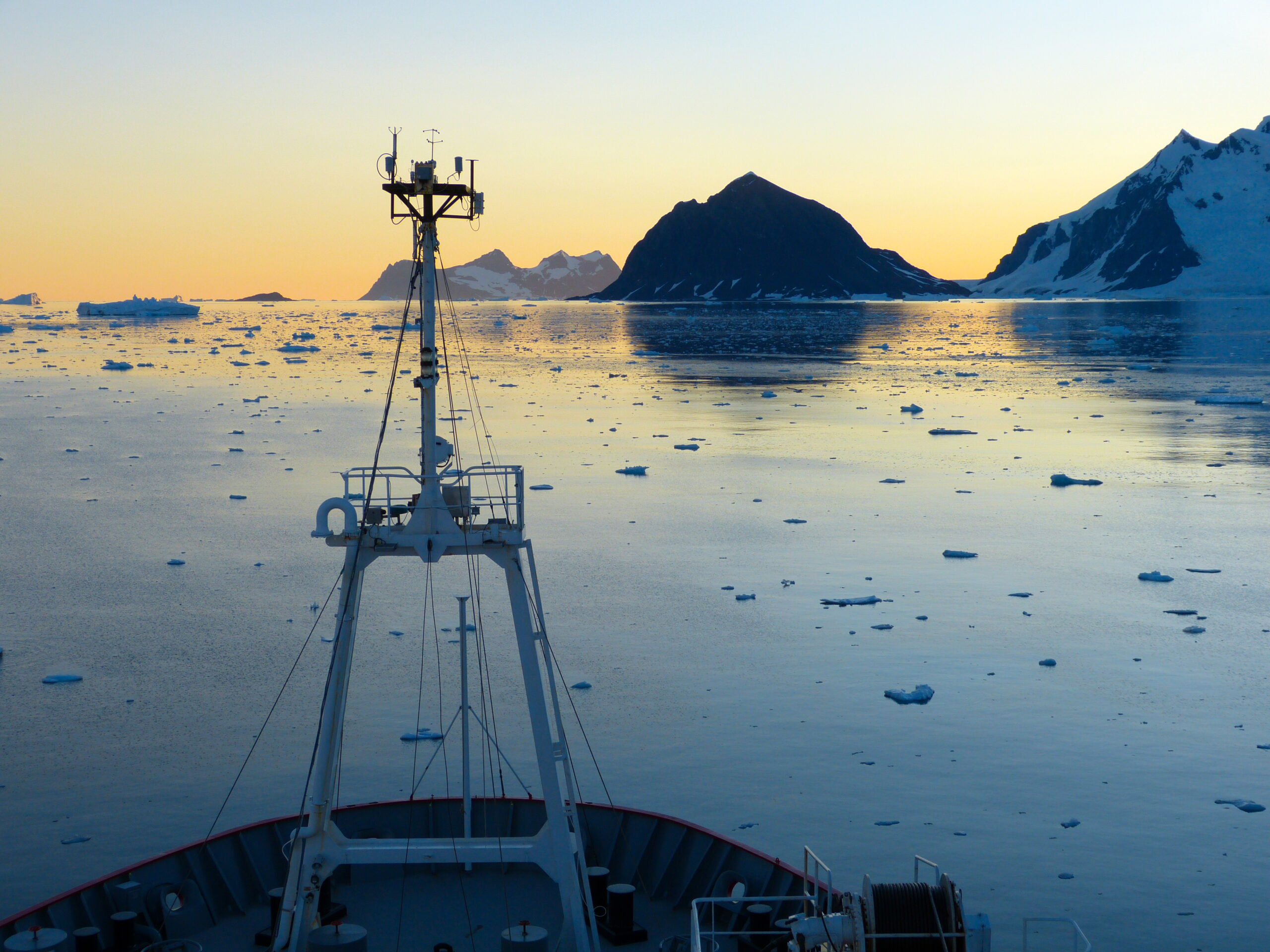
This newly discovered phenomenon was observed by chance when researchers aboard BAS’ previous research ship, RRS James Clark Ross, collected ocean data before, during and after a calving event during an expedition to Antarctica. Now, scientists are at Rothera Research Station, on the Antarctic Peninsula, and on board the UK’s polar research ship RRS Sir David Attenborough to learn more about underwater tsunamis.
Professor Michael Meredith, an oceanographer at BAS, is leading the research. He said:
“We want to learn what creates underwater tsunamis, how they work, and what impact they have – do different types of calving cause differences in the tsunami? Do the different conditions in each season change how the tsunamis form? What does the mixing that they cause do to the polar climate and ecosystems?”
Using satellites, remote cameras, drones and underwater robots, the team will collect data from glacier fronts, including locations too dangerous for researchers to go. They will develop and apply deep-learning algorithms to analyse satellite data, and computer simulations to model how these tsunamis are generated and spread. From this, the researchers will assess the impacts of these intense bursts of mixing on ocean temperature, nutrients and marine productivity – all of which are critical to our climate and ecosystems.
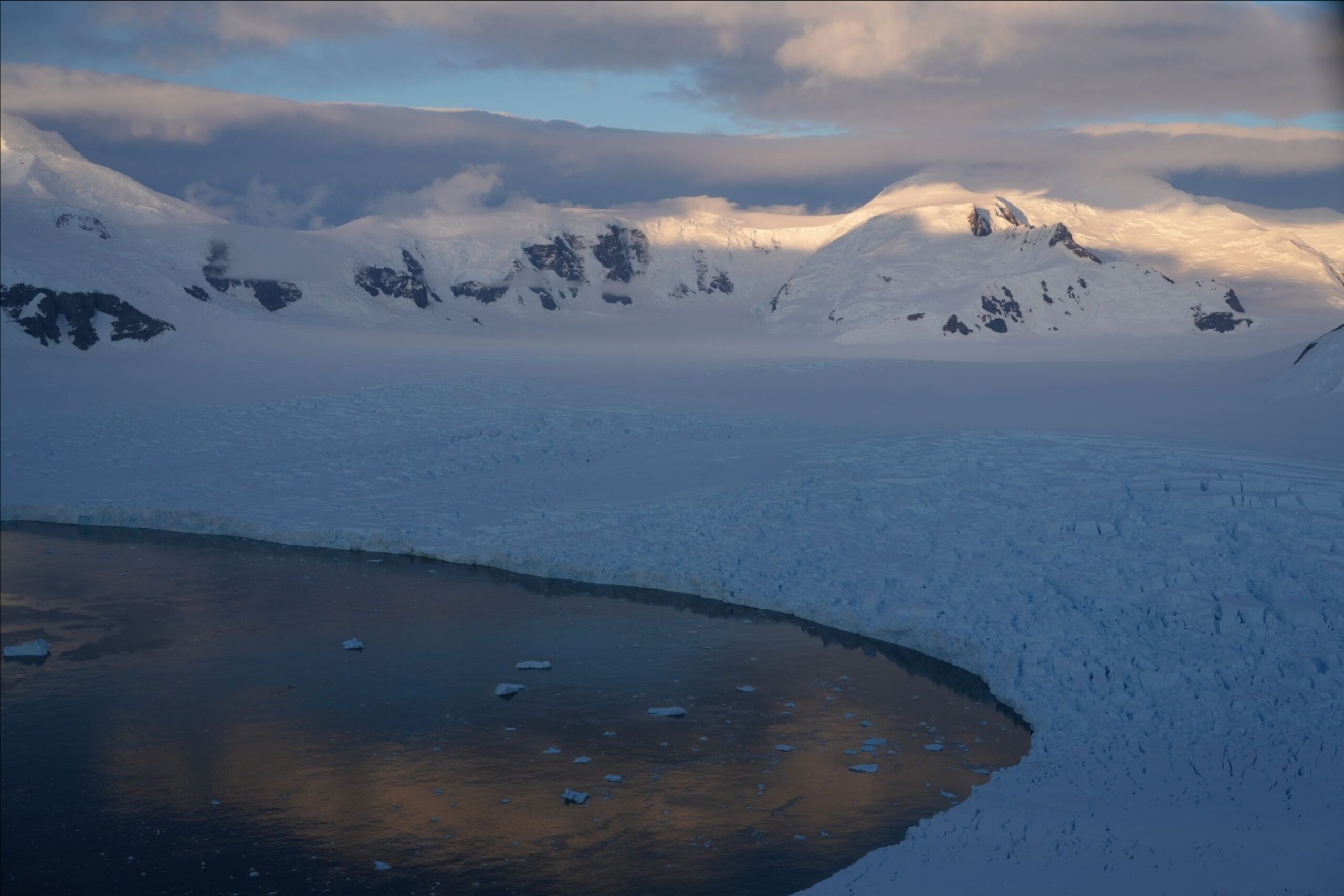
Dr Alexander Brearley is an oceanographer at BAS who studies ocean mixing. He is currently at Rothera Research Station using an autonomous underwater vehicle to study the front of the nearby Sheldon Glacier. He said:
“Our team is deploying a range of cutting-edge air, land-based and ocean technology to understand individual glacier calving events at unprecedented resolution and detail, and the impact the tsunamis that are generated have on the ocean. This includes high-quality imagery of the front of the glacier in real-time, ocean moorings with instruments to study the individual waves generated by calving, and underwater autonomous vehicles to document the physical and biological impacts of these underwater tsunamis.”
Underwater tsunamis, and the resulting mixing, could have significant implications for the Southern Ocean and beyond. Increased ocean mixing could draw more warm water up from the deeper parts of the ocean, speeding up the melting of the Antarctic Ice Sheet which would raise sea levels around the world. It can also change how nutrients are distributed in the ocean, which would affect the growth of phytoplankton (the “grass of the sea”), with consequences for the rest of the ocean food chain.
Professor Kate Hendry is a chemical oceanographer at BAS. She said:
“Antarctica remains one of the most mysterious places on Earth, and we’re constantly discovering previously unknown processes that are shaping our planet. What makes this research so important is that everything in Antarctica is connected – ice, ocean and atmosphere – and those connections reach all the way back to our doorsteps. Rising sea levels, shifting weather patterns, these are Antarctic processes playing out in our lives.”
A key question going forward is understanding whether the current warming climate might increase how often these calving and tsunami events occur, and how strong they are. By learning more about this phenomenon, scientists will refine the ocean models that predict how climate will change in the future.
The POLOMINTS project is a collaboration led by British Antarctic Survey, and includes the Scottish Association for Marine Science, the University of Southampton, the University of Leeds, the National Oceanography Centre, the University of Exeter, and Bangor University. International partners are from the Scripps Institution of Oceanography (USA), the Institute of Geophysics of the Polish Academy of Sciences (Poland), the University of Delaware, and Tufts University (both USA).
POLOMINTS is funded by the Natural Environment Research Council (nerc.ac.uk)